Nocturne
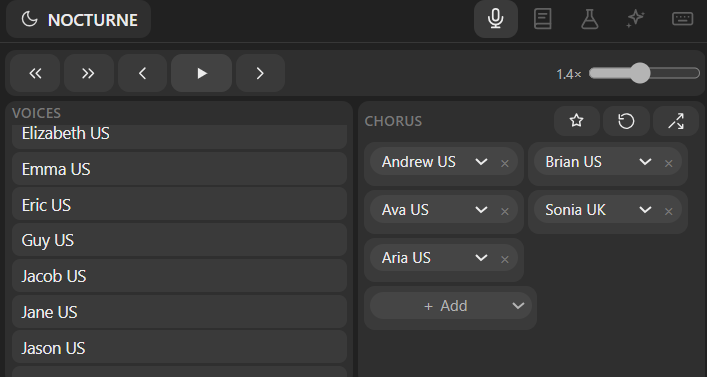
A browser extension that combines immersive reading, neural text-to-speech, synchronized highlighting, and AI assistance. Reading controls, word replacement, and site rules help people adapt web content to their needs.
Two theses, the research they grew into, and the software built from those findings.
A browser extension that combines immersive reading, neural text-to-speech, synchronized highlighting, and AI assistance. Reading controls, word replacement, and site rules help people adapt web content to their needs.
A climate-literacy learning experience built from the thesis: plain language, inclusive characters, and multimodal science instead of badges and unexplained jargon.
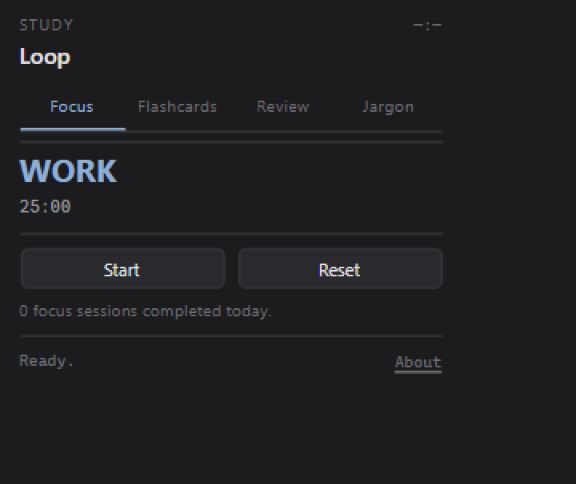
A focus timer that keeps running in the background, one-click flashcards from any highlight, spaced-repetition review, and a jargon scanner that feeds straight into flashcards.
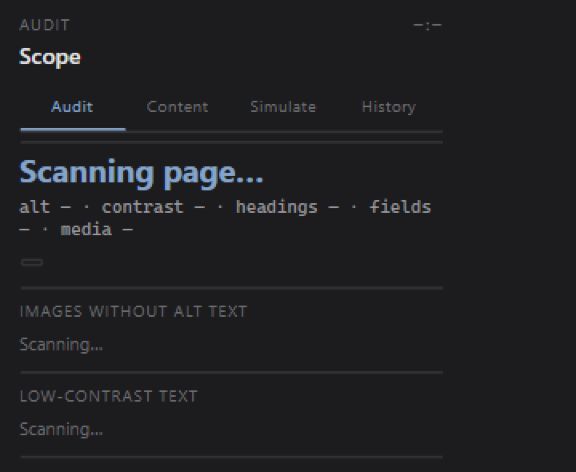
Four views — Audit, Content, Simulate, History — that check common accessibility issues, course-content readability, impairment previews, and a site's score over time.
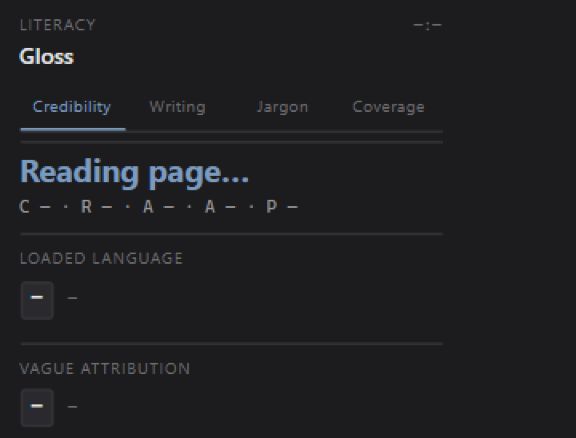
A reading toolkit that estimates credibility from page signals, compares climate figures with reference data, and defines jargon. It also helps readers find other coverage of the same story.
Diagnoses whether a connection can handle Zoom or Google Classroom, caches materials for offline use when it can't, and logs connection patterns over time.
A critical look at AI, VR/AR, and hybrid video in education, focusing on access, implementation, and what meaningful learning requires.
A multimodal discourse analysis of 30 climate-education games — how design, sound, and story build climate literacy, and where representation still falls short.
Who climate-education games represent, and who they leave out — a close read of gender, accessibility, and design equity across 30 games.
Heuristic evaluation of 30 climate-education games, selected with the CRAAP framework and read across engagement type, learning focus, and interactivity level.
A literature-grounded feasibility read on AR and VR for environmental learning — where immersive tools help, and where a simpler tool still wins.
How Bangladesh’s education system stayed online during COVID-19 — access, infrastructure, burnout, and hybrid futures.
These tools sit at the centre of the 2024–2025 research: how digital and game-like experiences can build climate literacy — or miss accessibility and inclusion. I used multimodal analysis on platforms like these to ask what they teach, who they invite in, and what they leave out.
How this ties to my work
MIT Sloan / Climate Interactive. Sliders for energy, transport, and policy show global temperature paths to 2100.
Live negotiation game: players act as countries and industries at a climate summit.
UNDRR free browser game. Build safer towns against floods, earthquakes, wildfires, and more.
Financial Times net-zero challenge backed by IEA-style data.
SESNC narrative: political and social choices across 100 years of climate futures.
IPCC-based card mapping used by millions of participants worldwide.
How to use: Adjust energy and policy levers; read temperature and equity outcomes.
Link to my work: Primary systems-literacy example in my digital climate education research.
How to use: National pledges feed into a shared climate model during workshops.
Link to my work: Shows negotiation + modelling — same literacy goals I studied for classroom and public use.
How to use: Represent countries, make pledges, re-run the model live.
Link to my work: Social learning + climate data — useful when I discuss engagement beyond single-player apps.
How to use: Combine removal pathways to approach 10 Gt by 2050.
Link to my work: Specialised climate content: good case for whether tools explain trade-offs accessibly.
How to use: Play policies and projects to cut urban emissions under constraints.
Link to my work: Local climate action framing — complements global simulators in my EdTech comparisons.
How to use: Plan mitigation with a limited budget before a timed disaster event.
Link to my work: Closest digital cousin to my disaster science training — risk reduction taught by doing.
How to use: Explore hazards, build kits, and practice family plans.
Link to my work: Public risk communication design — how agencies teach preparedness without jargon.
How to use: Allocate funding across flood measures and see community outcomes.
Link to my work: Early example of policy games for environmental risk — context for today’s climate sims.
How to use: Steer sectors toward 2050 net zero under political and economic pressure.
Link to my work: High-production UX case study in adult climate literacy media.
How to use: Make narrative choices; track cascading futures.
Link to my work: Story + consequence multimodality — central to my discourse analysis approach.
How to use: Balance economy, energy, and environment as a national decision-maker.
Link to my work: Historical baseline for how news orgs taught climate systems through play.
How to use: Grow a city while managing energy, environment, and money.
Link to my work: Education-first design for youth — useful contrast to entertainment climate games.
How to use: Rebuild biomes, rewild fauna, recycle every machine.
Link to my work: Restoration narrative vs. extractive sim tropes — rich for critical media analysis in CCE.
How to use: Research, policy, and industry cards race against carbon catastrophe.
Link to my work: Systems cards map science → action; good for discussing game mechanics as pedagogy.
How to use: Travel north under resource limits; face climate hazards.
Link to my work: Human mobility and justice themes — extends climate literacy beyond ‘parts-per-million’.
How to use: Manage regions across decades under climate and development pressure.
Link to my work: Complexity vs. learnability — exactly the tension my UX-style evaluations care about.
How to use: Collaborate, industrialise carefully, and stop the meteor without killing the biosphere.
Link to my work: Collective action problem in multiplayer form — mirrors real climate cooperation dilemmas.
How to use: Explore flooded cities, solve environmental puzzles, and see how your choices affect the story.
Link to my work: A case for examining how environmental choices are represented through story and gameplay.
How to use: Pick modules like carbon balance or satellite missions.
Link to my work: Age-appropriate climate media — important when I discuss accessibility and audience design.
How to use: Explore the globe with live and recorded Earth science datasets.
Link to my work: Data visualisation as learning tool — pairs with GIS/climate communication skills I use.
How to use: Teachers run structured worlds; students build and investigate in-game.
Link to my work: Classroom EdTech stack — bridges my Google Educator training and climate content design.
How to use: Groups order cards to reconstruct climate mechanisms.
Link to my work: Facilitation-first climate literacy — complements digital tools I evaluated.
How to use: Deploy tech and policy to cut emissions and weather disasters together.
Link to my work: Hybrid physical/digital science links — interesting multimodality case.
How to use: Negotiate development strategies under climate constraints.
Link to my work: Negotiation dynamics studied in climate education literature I draw on.
How to use: Race to develop while managing pollution consequences.
Link to my work: Familiar game grammar teaching energy trade-offs — good ‘transfer’ example for learners.
Master's Thesis (2025) | University of Calgary
Analysed how digital games communicate climate science through text, visuals, sound, and interaction. The research identified opportunities for clearer and more inclusive learning experiences.
Bachelor's Thesis (2021) | University of Dhaka
Examined how students and educators in Bangladesh accessed e-learning during COVID-19. The study explored infrastructure, affordability, and the challenges of isolated learning.